Straight-Line Graphs
Gradients, coordinates and intercepts — with the common negative-number traps built into the practice.
Maths gets much easier when somebody can spot exactly where it's going wrong — or where you're ready to go further. I work one-to-one with pupils from KS2 through to GCSE and IGCSE, whether they're struggling, aiming for a higher grade or simply want the space to understand things properly. We build confidence, fill gaps and focus on why the Maths works — not just what button to press next.
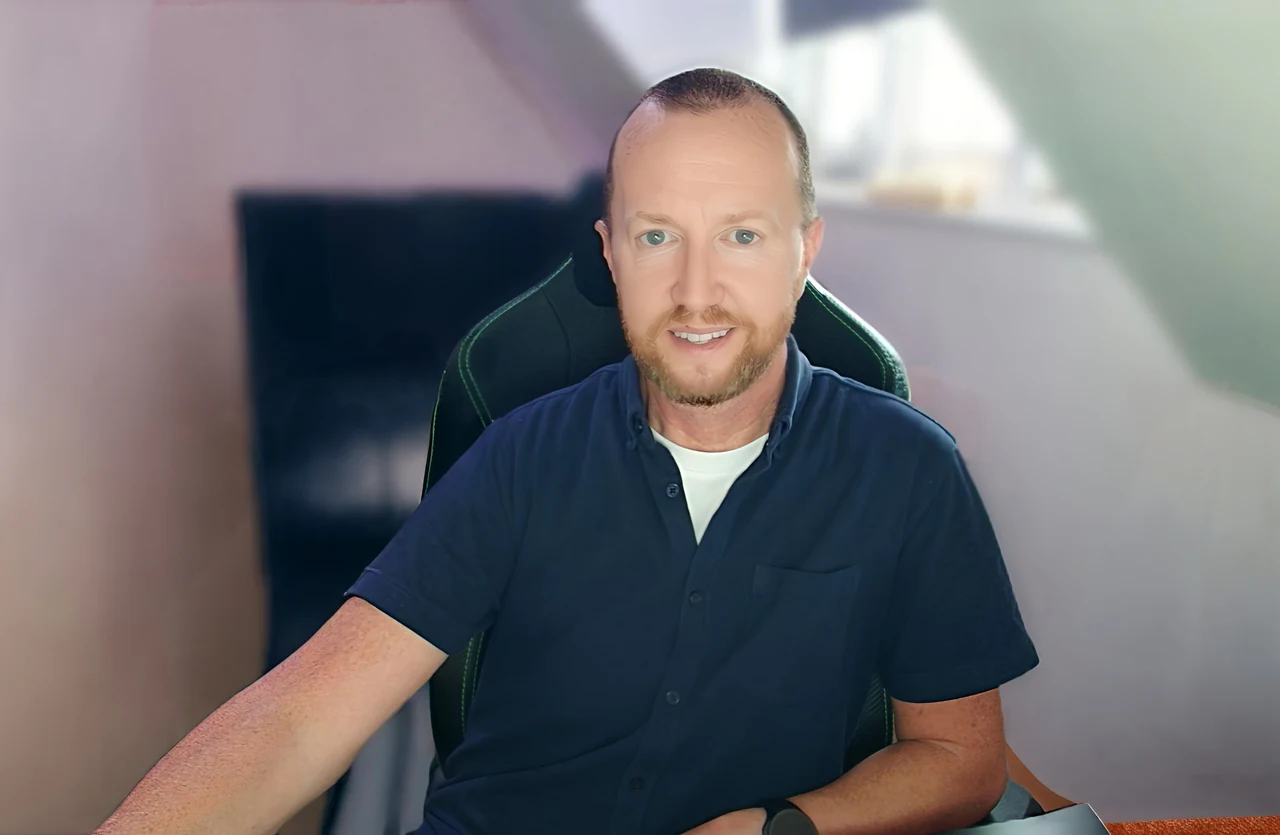
There are no embarrassing questions in my lessons. If it's something you think you should have known in Year 3, ask me. If I've explained it twice, ask me again. If you need to ask a million times, that's fine too.
I didn't particularly enjoy Maths at school myself, and I remember what it's like when everyone else seems to understand something you don't. I never want a pupil to feel embarrassed about saying, “I don't get it.”
That's one of the great things about one-to-one tuition. Our weekly lesson doesn't have to follow a fixed programme. It's a regular, weekly check-in to support and reflect on what's been happening at school. Bring me what you need that week — something from school that hasn't quite clicked, a test you want to prepare for, a gap we've spotted, or something you're doing well at and want to push further. The lesson can respond to you, rather than you having to fit the lesson.
Because every pupil — and every week — is different, I make my own DC Tutoring worksheets rather than relying entirely on generic online resources. They're built around the way I teach a topic, including the little traps and misconceptions I've seen pupils fall into over the years.
Gradients, coordinates and intercepts — with the common negative-number traps built into the practice.
Carefully paced practice that can move on quickly once the method has clicked.
Practice designed around understanding why each operation is chosen, rather than memorising a sequence.
And sometimes the resource we need doesn't exist yet. If something particular has come up at school, or we've uncovered a gap during our lesson, I can make something specifically around that. Bring me what you need, and I'll respond to it. If six carefully chosen questions on exactly the thing we've just worked on will help more than a 40-question generic worksheet, then six carefully chosen questions is what we'll use.
No presentations to sit through and no fixed script. The shared whiteboard means we can actually work on the same Maths together and change direction whenever we need to.
We start with what you already know — including the bits you're unsure about or think you ought to know.
We use the shared whiteboard to try methods, draw diagrams, make mistakes and work out why something works.
Once it's clicking, you take over. That's the important bit — knowing you can do it when I'm not doing it with you.
You don't need to know exactly what the problem is before getting in touch. That's often something we work out together.
Yes — that's extremely common. Often the first job isn't harder Maths; it's finding the gaps or misunderstandings that have made everything else start to feel harder.
Yes. I teach Maths from KS2 through to GCSE and IGCSE, including both Foundation and Higher Maths and pupils studying Edexcel or AQA.
For one-to-one tuition, very well. We can both work on the same Maths using the shared whiteboard, and I can adapt what we're doing immediately rather than following a predetermined lesson.
You don't need to diagnose the problem before getting in touch. Tell me a little about where they are and what's been happening with Maths, and we can work it out from there.
Get in touch with Dan